Your people data is telling a story. Are you listening?
If your goal is to make smarter business decisions, HR analytics should be part of the conversation.
HR teams are no longer just administrative support functions. They play a critical role in shaping workforce strategy, retention, culture, and long-term growth. HR analytics gives organizations the data they need to move beyond assumptions and make decisions grounded in measurable outcomes.
HR analytics, often called workforce analytics or people analytics, is the process of collecting and analyzing employee data to guide human resources strategy.
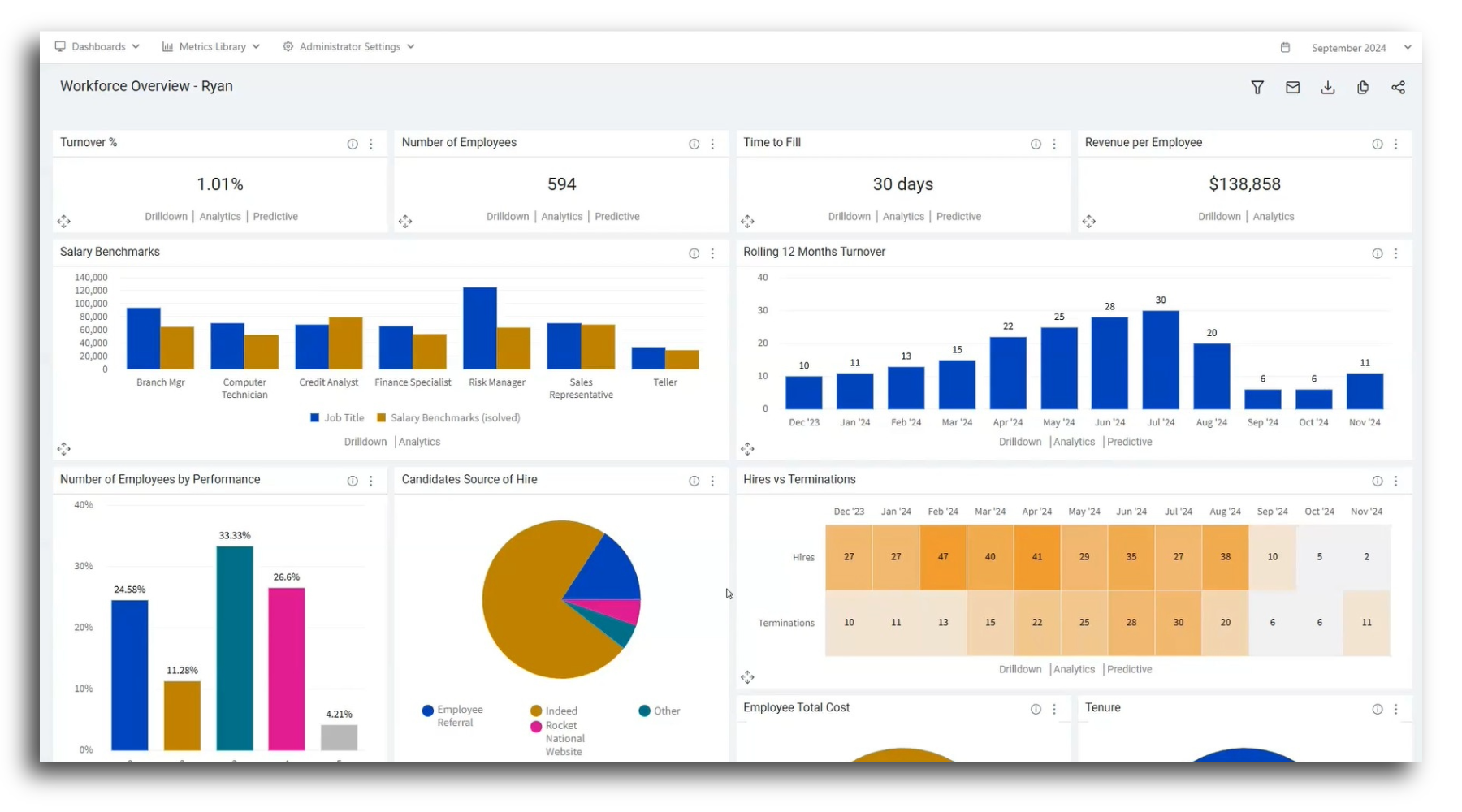
It uses measurable HR metrics such as turnover rates, absenteeism, productivity trends, engagement levels, and time-to-fill positions to identify patterns across the workforce. Instead of relying on intuition or one-time surveys, HR teams can use real data to evaluate what is working and where improvements are needed.
1. Build a Clearer Picture of Your Workforce
Traditionally, organizations have relied heavily on employee surveys to understand workplace culture, morale, and engagement. While surveys provide useful feedback, they are influenced by how employees feel in the moment and often reflect a limited sample size.
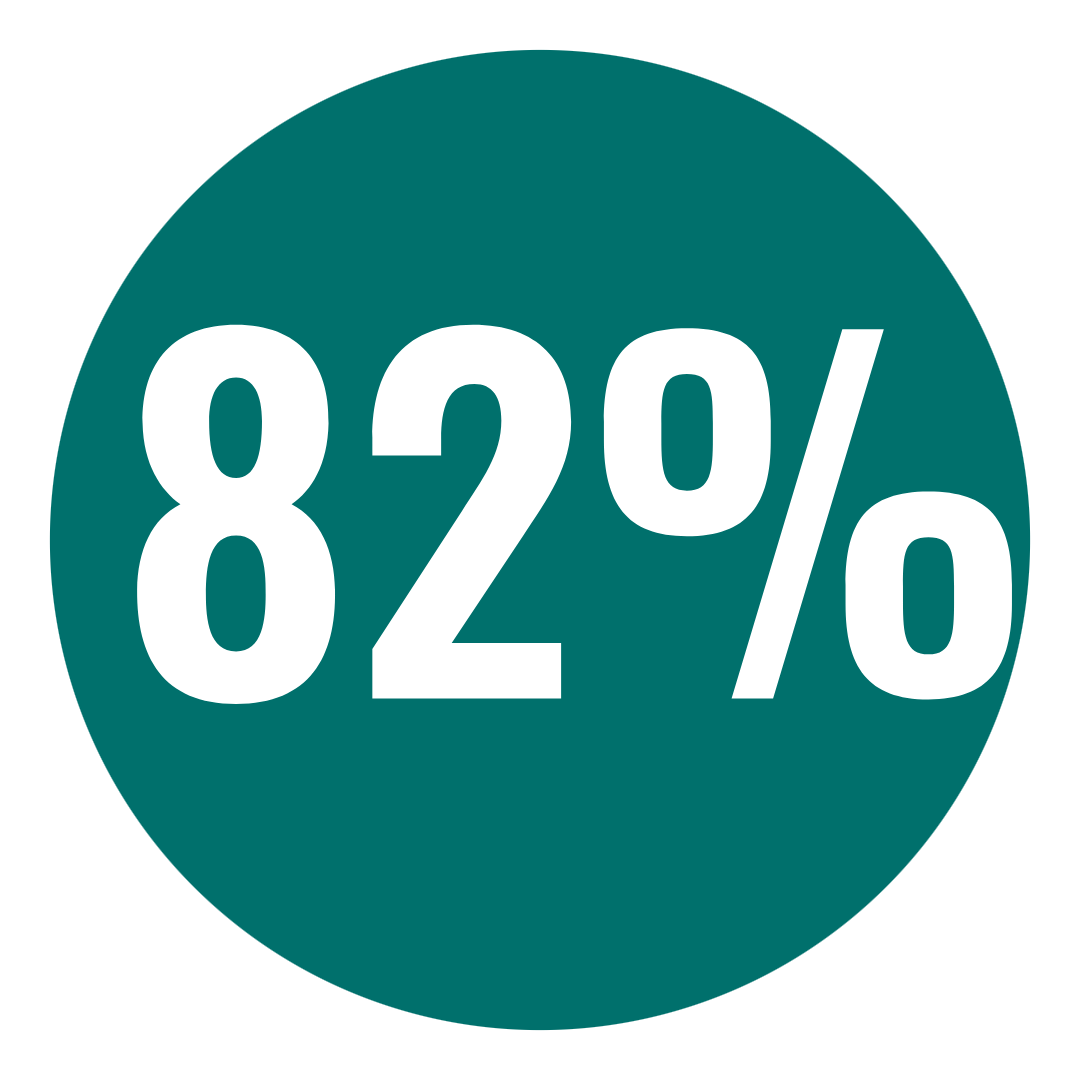
HR analytics looks at actual workforce behavior rather than sentiment alone.
For example, analytics can show:
• Productivity trends across remote and in-office teams
• Patterns that signal burnout risk
• Engagement levels across departments
This type of data gives leaders a more complete and objective view of what is happening across teams in real time.
2. Plan for Future Workforce Needs
Workforce planning is one of the most strategic uses of HR analytics.

By regularly tracking hiring trends, attrition rates, skills gaps, and workload data, organizations can forecast future staffing needs with greater accuracy. This helps businesses avoid reactive hiring, overstaffing, or sudden layoffs.
For growing organizations, workforce forecasting allows leaders to:
• Identify emerging skills gaps
• Allocate training resources strategically
• Improve recruiting efforts
• Align hiring plans with business goals
Proactive planning ensures the right talent is in place to support both current operations and long-term growth.
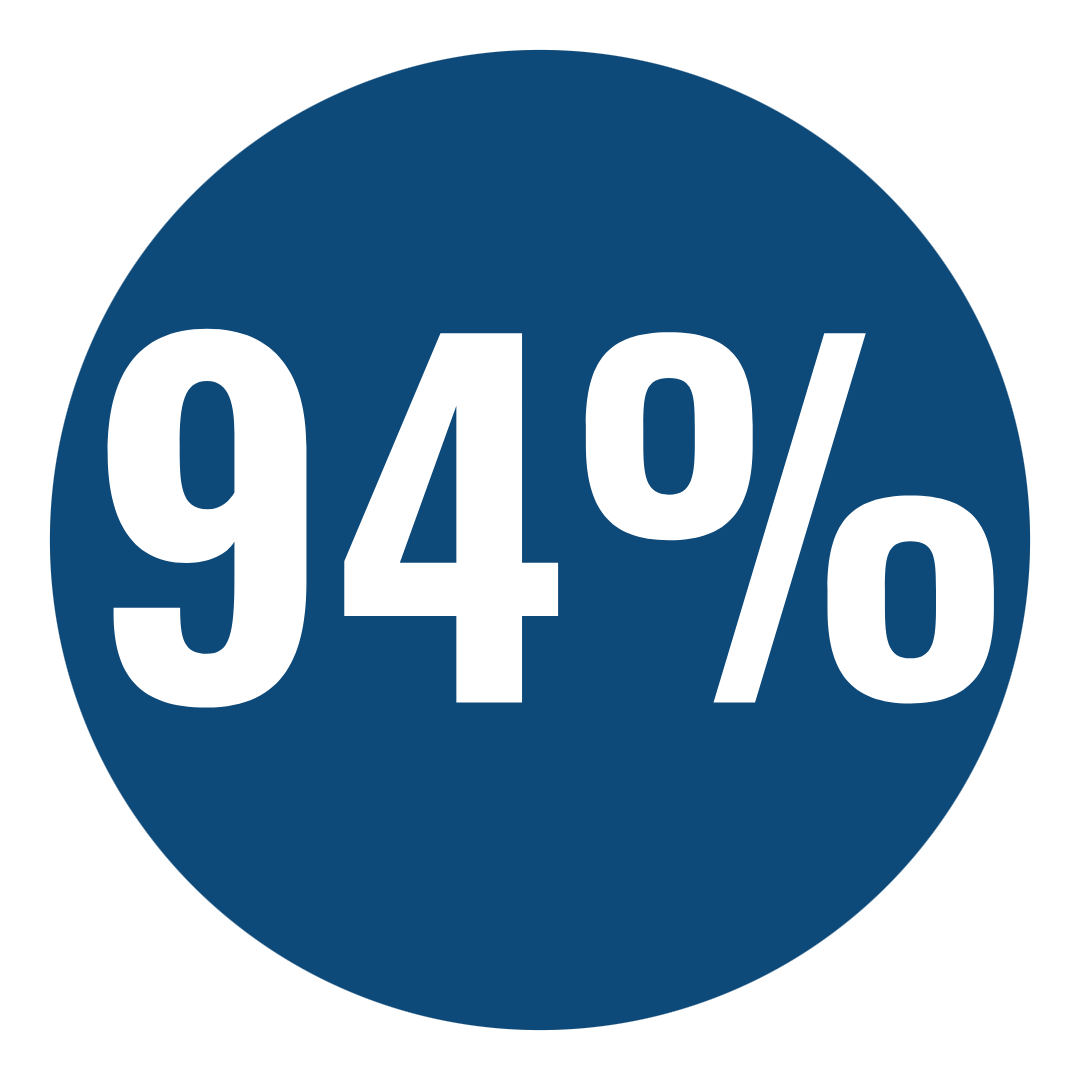
3. Identify When New HR Initiatives Are Needed
Burnout, turnover, and disengagement do not happen overnight. They show up in the data first.
HR analytics helps organizations detect early warning signs before they become larger issues. For example:
• Rising overtime hours may indicate workload imbalance
• Increased turnover within a department may signal leadership challenges
• High meeting hours could point to workflow inefficiencies
Instead of reacting after problems escalate, HR leaders can use analytics to test new policies and initiatives. Whether it’s expanding flexible work options or adjusting performance management processes, data provides measurable insight into what’s effective.
4. Measure the Impact of Organizational Change
Every organization experiences change, from leadership transitions to restructuring or new benefit programs. The key question is not whether change occurs, but how effectively it is managed.
HR analytics allows leaders to measure the impact of change using real-time performance and engagement data.
For example:
• Has productivity shifted since new leadership was introduced?
• Did a new employee wellness initiative reduce burnout indicators?
• Has retention improved following compensation adjustments?
By comparing workforce metrics before and after implementation, organizations can evaluate what is working and adjust when needed. Even small changes in turnover or engagement rates can significantly impact long-term performance.
As technology advances and organizations embrace the power of data, HR analytics will play an increasingly crucial role in shaping the future of work. By leveraging the power of people data, you can attract and retain top talent in any job market.
With Coastal’s Predictive People Analytics, you gain real-time insights, predictive modeling, and benchmark comparisons in one centralized platform. We help you move beyond reporting to proactive workforce planning.
If you’re ready to turn people data into confident, strategic decisions, let’s talk.