“You never get a second chance to make a first impression.”
The way you bring someone into your organization sets the tone for everything that follows. Their engagement. Their performance. Whether they stay… or start looking elsewhere within six months.
And yet, onboarding is still one of the most overlooked parts of the employee experience.
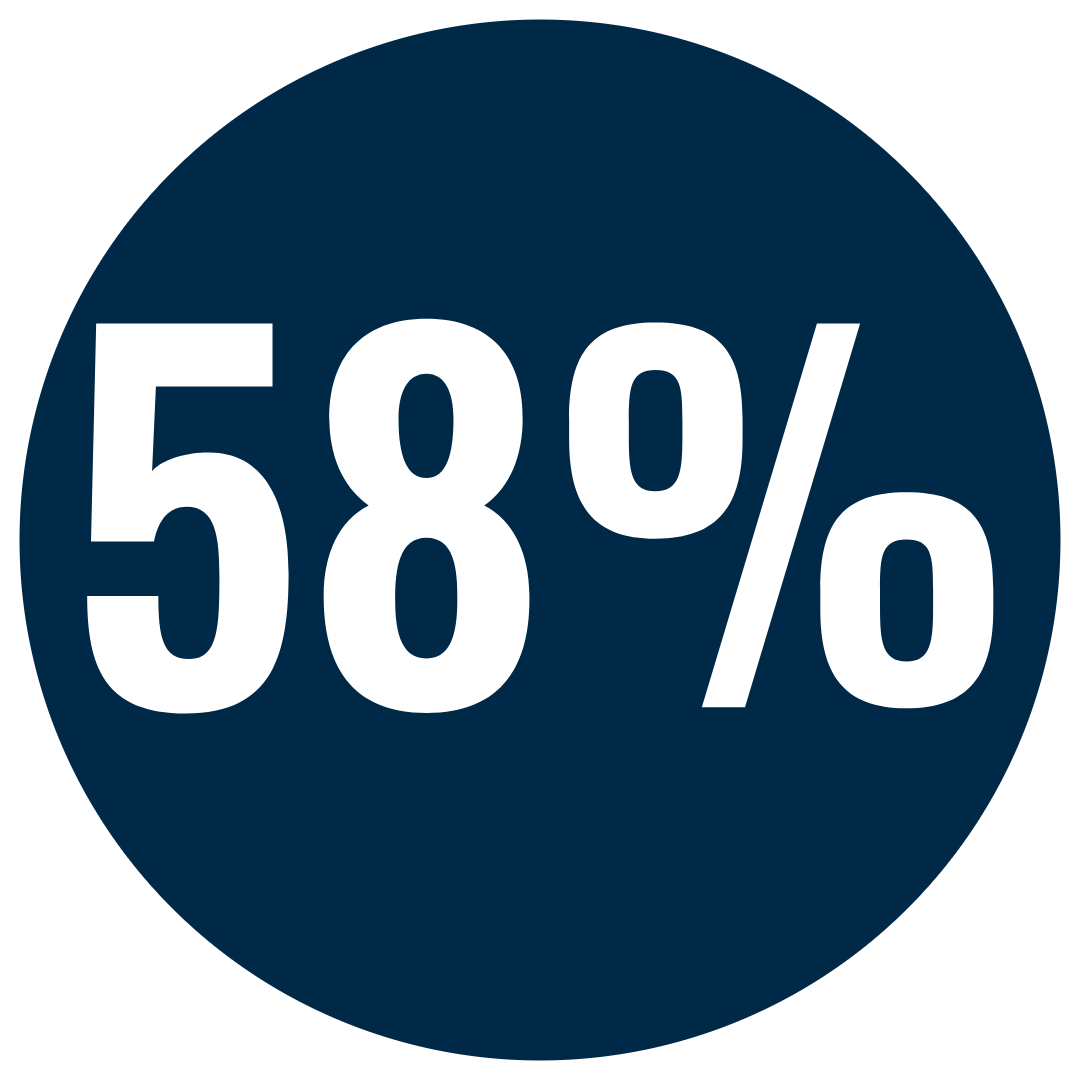
A lot of companies think they have onboarding figured out… but what they really have is orientation.
Orientation is a moment.
Paperwork, policies, a quick overview of the company.
Onboarding is a process.
It’s how someone actually learns their role, connects with the team, and starts to feel like they belong.
If orientation is day one, onboarding is everything that comes after.
A strong onboarding experience does more than check a box. It directly impacts how your business performs.
When onboarding is done right, you’ll see:
• Higher engagement early on
• Faster ramp-up time to productivity
• Better retention (because people feel confident and supported)
• Stronger alignment with your culture and expectations
When it’s done poorly, new hires are left guessing… and that’s where frustration starts.
1. BEFORE THEY START (SET THE TONE EARLY)
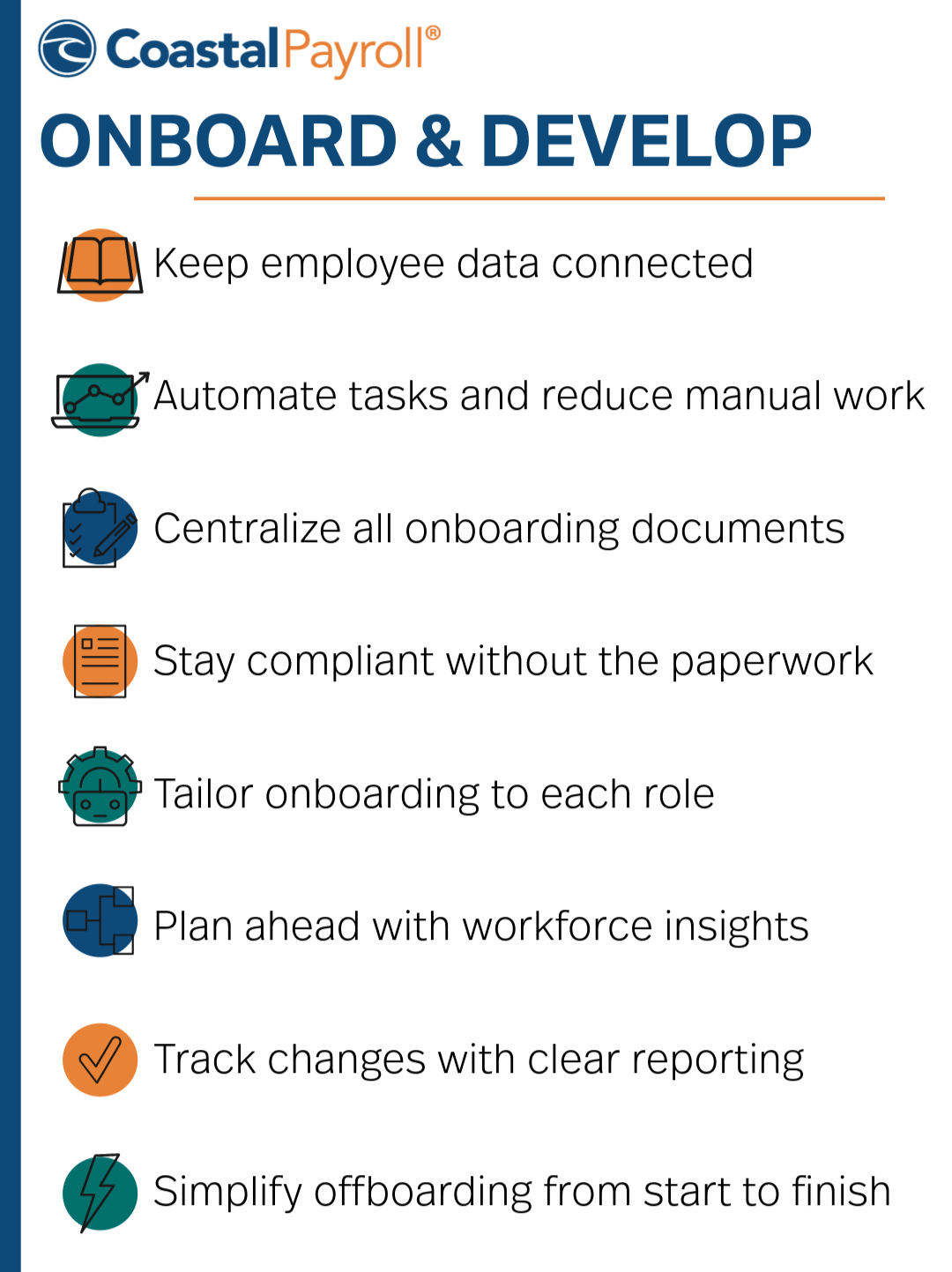
Onboarding doesn’t start on day one. It starts the moment they say yes.
• Reach out before their first day so they’re not walking in blind
• Give them a clear picture of what their first week will look like
• Knock out the admin pieces early so their first day feels like a start, not paperwork
If someone shows up unsure of what’s happening, you’re already playing catch-up.
2. DAY ONE SHOULD FEEL LIKE A WELCOME, NOT A FORMALITY
Most first days are forgettable. That’s the problem.
• Make it clear why their role matters to the business
• Introduce them to people in a way that sticks
• Give them context, not just information
Energy matters here. People decide quickly how they feel about a company.
3. ROLE-SPECIFIC TRAINING
This is where things usually fall apart.
• Be specific about what they own and what success looks like
• Show them how their work connects to bigger goals
• Train them in a way that’s relevant to what they’ll be doing
Unclear roles lead to hesitation. Clear roles lead to momentum.
4. DON’T MAKE THEM FIGURE IT OUT ALONE
Early silence creates doubt fast.
• Give them a clear point person they can go to
• Build in regular touchpoints instead of waiting for issues
• Make it easy to ask questions without feeling like they’re behind
Support early on saves you from bigger issues later.
5. HELP THEM FEEL PART OF SOMETHING

People don’t fully settle in until they feel connected.
• Create natural ways for them to interact with the team
• Encourage conversations beyond just work tasks
• Bring them into the rhythm of how your team operates
You can’t force culture, but you can make it easier to step into.
Onboarding isn’t just an HR responsibility. Managers make or break the experience.
A few things that matter most:
Personalize it: Not everyone learns the same way. Adjust your approach.
Set expectations early: Unclear expectations create unnecessary stress.
Give feedback often: Don’t wait for a 90-day review. Small check-ins go a long way.
Be available: Even a quick “how’s it going?” makes a difference.
Acknowledge progress: Early wins build momentum.
Onboarding gets harder when you’re not face-to-face… but it’s still just as important.
A few ways to make it work:
• Send a welcome package to make it feel real
• Schedule consistent video check-ins (not just emails or Slack))
• Create intentional moments for team interaction
• Use technology to keep communication clear and accessible
Out of sight shouldn’t mean out of support.
Onboarding isn’t just about getting someone started. It’s about setting them up to succeed.
When it’s done right, it builds clarity, confidence, and connection from day one and that momentum carries forward.
With the right tools and support in place, onboarding becomes more than a process. It becomes the foundation for how your people grow, perform, and stay.