In 2026, the real challenge for California employers isn’t just staying compliant. It’s managing risk. The kind that quietly builds when processes are inconsistent, documentation is thin, and managers are doing their best without a clear, consistent playbook.
Misclassification is one of the fastest ways to turn a “normal” HR issue into an expensive one. It shows up when job duties drift, roles evolve, and nobody revisits whether someone should be exempt or non-exempt. It can also happen when independent contractors(1099s) are brought on but treated like employees.
Common risk triggers:
• Employees doing non-exempt work while classified as exempt
• Inconsistent overtime practices across teams
• “We’ve always done it this way” job descriptions that do not match reality
What to do now:
• Recheck exempt classifications anytime duties change
• Make job descriptions match real work, not the ideal version
• Standardize timekeeping expectations and manager approvals
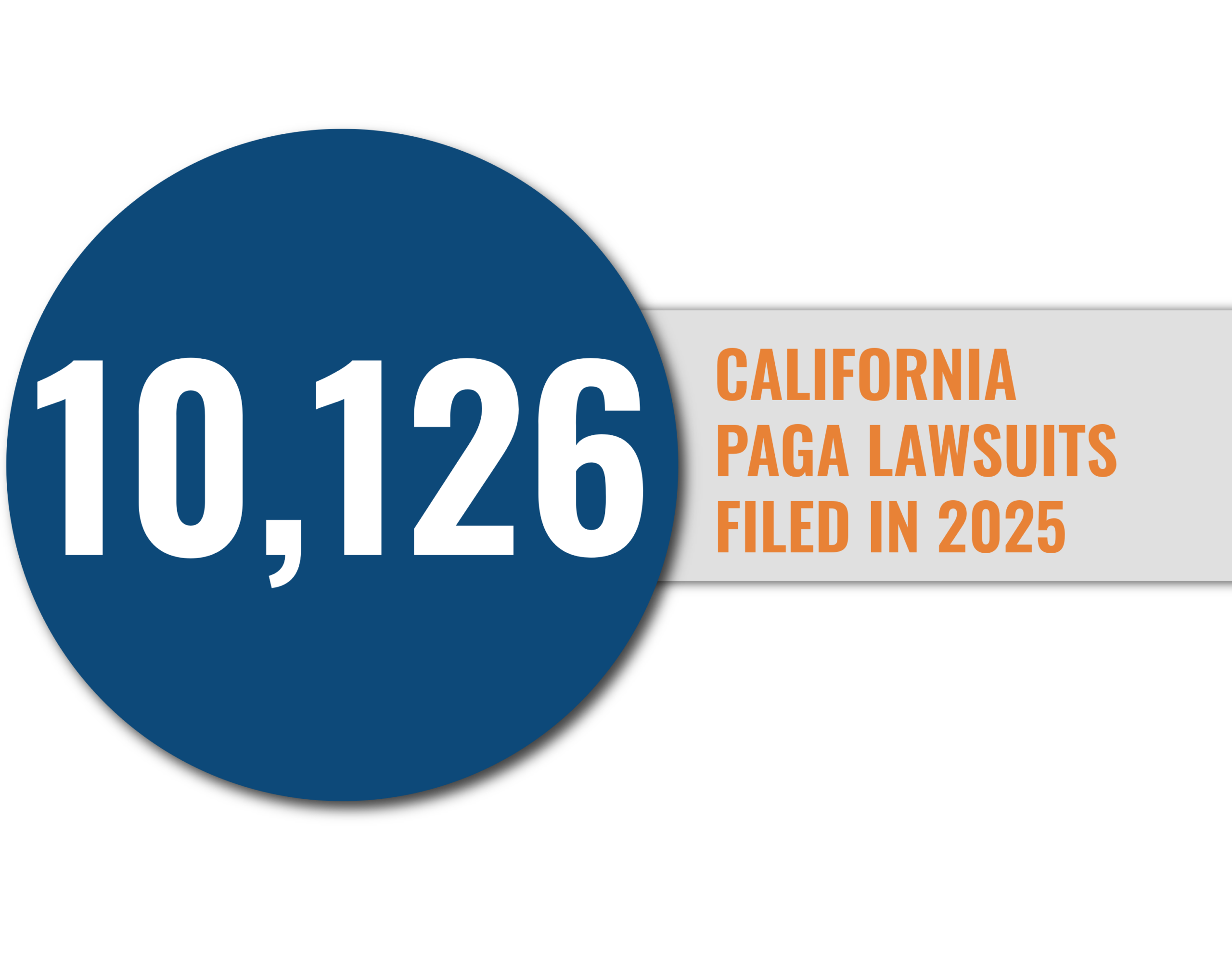
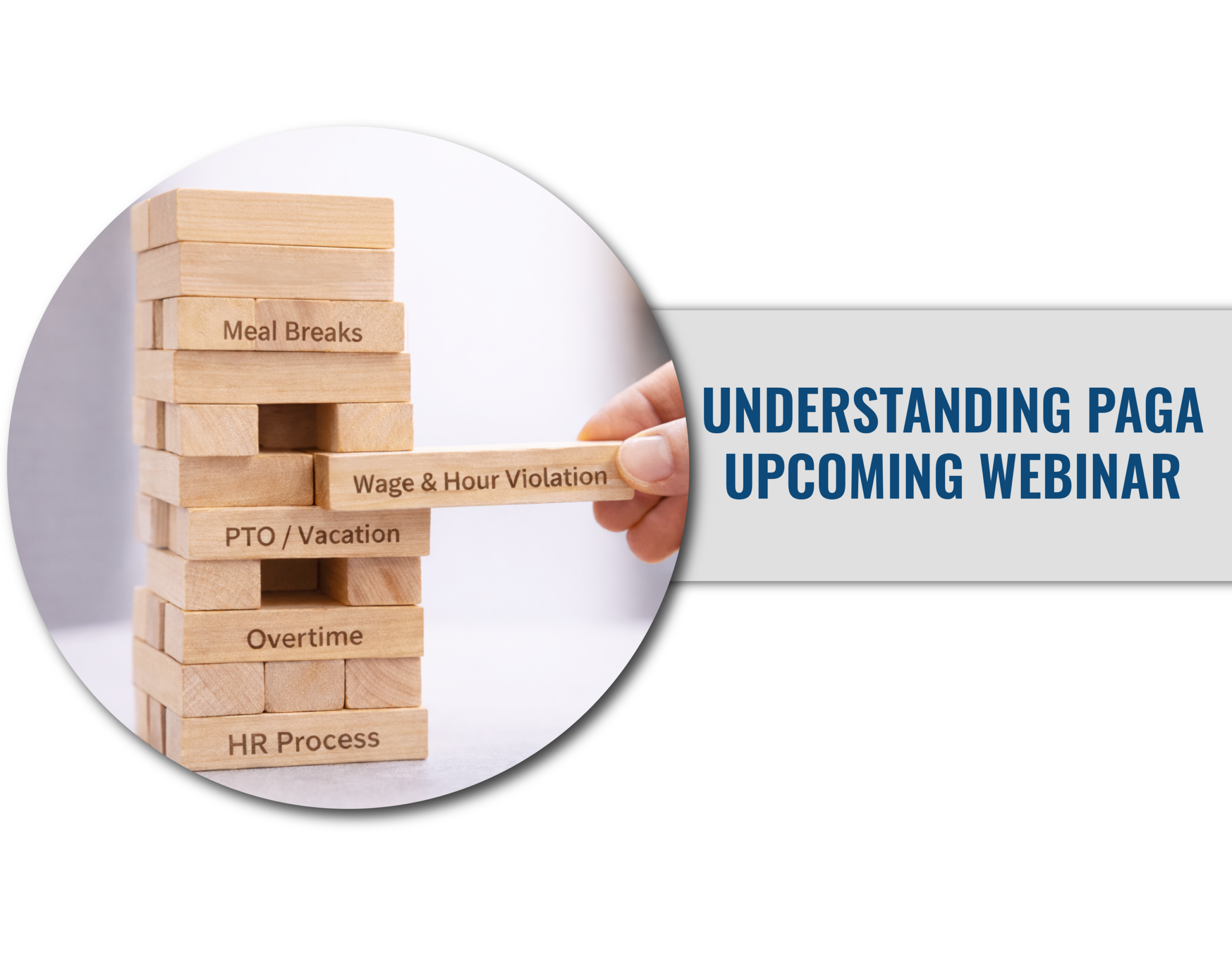
PAGA risk, under California’s Private Attorneys General Act, allows employees to bring claims on behalf of themselves and other employees for Labor Code violations. It’s not only about making a mistake. It’s about being unable to prove you didn’t. In 2026, employers are increasingly realizing that the paper trail is the protection.
Where employers get exposed:
• Meal and rest break compliance that is “assumed” but not monitored
• Pay statement inconsistencies
• Missing documentation when a dispute escalates
What to do now:
• Treat documentation as a critical part of compliance, not an afterthought
• Build consistent audit habits around breaks, pay statements, and wage practices
• Keep policies current and make sure people actually follow them
California compliance gets messy when each location runs HR in its own style.
The risk is not that one team is doing something wrong, it’s that every team is doing it differently.
This usually shows up as:
• Different onboarding processes by location
• Different practices for discipline and performance issues
• Different timekeeping habits, even under the same company
What to do now:
• Create one standard operating rhythm for HR basics
• Centralize your policies and make them easy to access
• Train managers the same way across every site

Leave is one of the most common places employers get burned, because the stakes are high and the timelines are unforgiving. It is not enough to be well-intentioned, you need precision.
Risk points include:
• Missing required notices or documentation steps
• Miscalculating timelines and eligibility
• Treating different employees differently without realizing it
• FMLA, CFRA, and state leave coordination errors
What to do now:
• Standardize the leave process from first request to return-to-work
• Track timelines and documentation centrally
• Make sure the employee experience is consistent, not manager-dependent
AI is moving fast, and hiring teams are using tools that can unintentionally create risk.
In California, the safest approach is not “avoid AI.” It’s “use it responsibly.”
Risk scenarios include:
• Screening tools that create bias or inconsistent decision-making
• Lack of transparency around how candidates are evaluated
• Over-reliance on automated recommendations without human review
What to do now:
• Require human oversight in hiring decisions
• Standardize interview and evaluation criteria
• Document your process and keep it consistent
Remote work is here, and so is the compliance complexity that comes with it. Even when your headquarters is in California, remote employees can trigger different rules based on where they live and work.
Risk shows up when:
• Hiring expands into new states without a compliance plan
• Policies are written for one location, but applied everywhere
• Leave rules, wage requirements, and payroll taxes get misaligned
What to do now:
• Know exactly where your employees are working, not just where they were hired
• Build a process for onboarding remote employees in any jurisdiction
• Review policies regularly for multi-state alignment
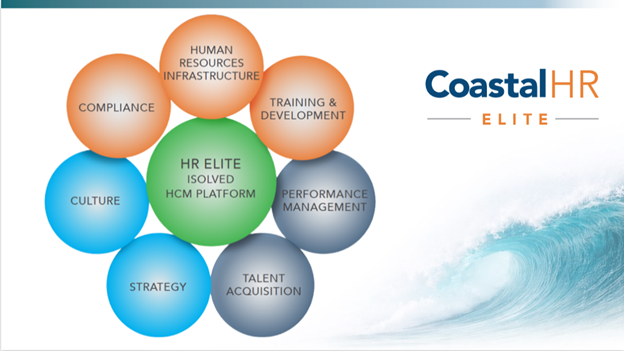
Risk doesn’t build overnight. It builds in the gaps between systems, processes, and people. Coastal HR Elite brings those pieces together, combining expert guidance with a centralized HCM platform so your team can operate with clarity and confidence. In California, that kind of structure is essential.
Reach out to our team to learn more about HR Elite.