
Not every complaint calls for a five-alarm response, but every concern deserves to be taken seriously.
A stray comment in a meeting. A tone in an email nobody loved. A scheduling change that caught someone off guard. These moments may not require a formal investigation, but brushing them off can create just as much risk as overreacting to them.
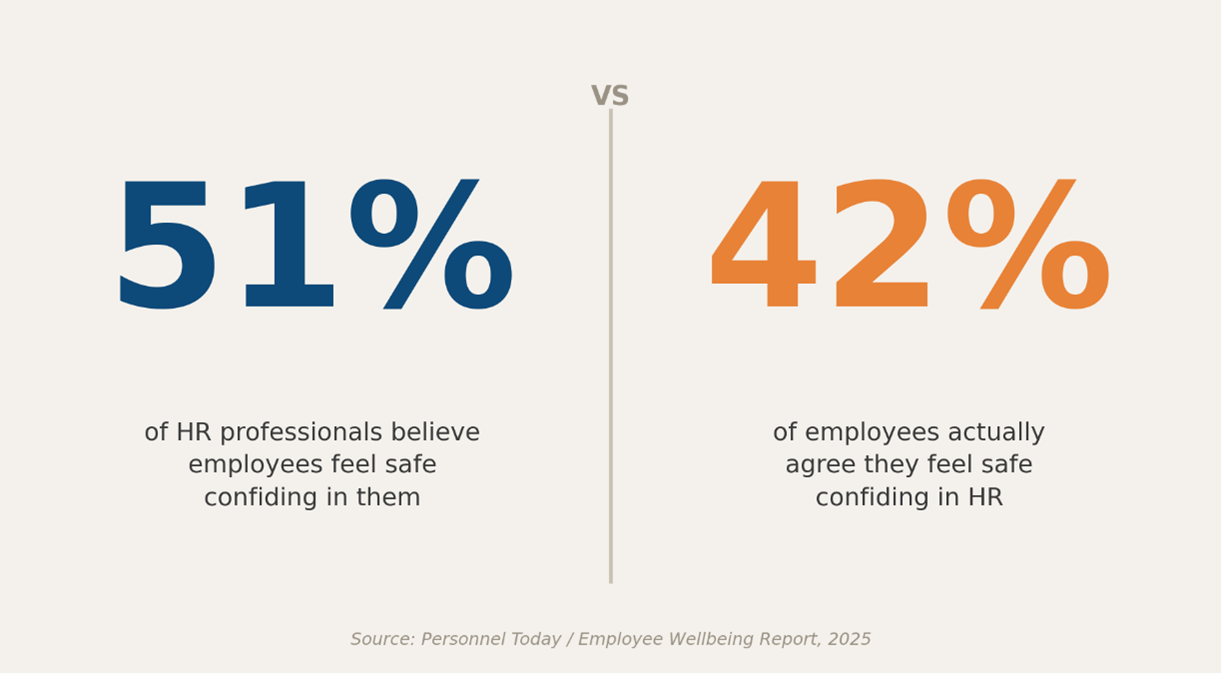
That gap is worth sitting with. HR is working harder than ever to respond to concerns, big and small. But somewhere along the way, taking every complaint seriously started to mean reacting to every complaint the same way. And employees can feel the difference.
Psychological Safety Does Not Mean Zero Conflict
A safe workplace is not a friction-free workplace.
Healthy teams still have disagreements, miscommunications, and differing opinions. Psychological safety is not about eliminating tension. It is about handling it fairly and constructively.
When HR under-responds, employees may feel like speaking up does not matter. When every soft complaint is treated like a potential lawsuit, employees may start to worry that even small concerns will trigger a major process.
The goal is to make employees feel comfortable raising concerns while giving HR the space to respond in a way that fits the situation.
Why HR Can Feel Pressured to Escalate Everything
It is easy to see why HR teams are feeling pressure to take a maximum-response approach.
Litigation concerns are high. Compliance expectations are constantly shifting. Managers are often making people decisions without enough training or clear guardrails. And when issues reach HR after the fact, it can be difficult to tell whether something is a one-time frustration or part of a larger pattern.
The result is often a “better safe than sorry” mindset.
But responding to every concern with the same level of urgency can create its own problems. It can overwhelm HR teams, confuse managers, and make employees feel like everyday workplace friction is being treated as something much bigger than it is.
Your Employees’ Trust Is an Asset
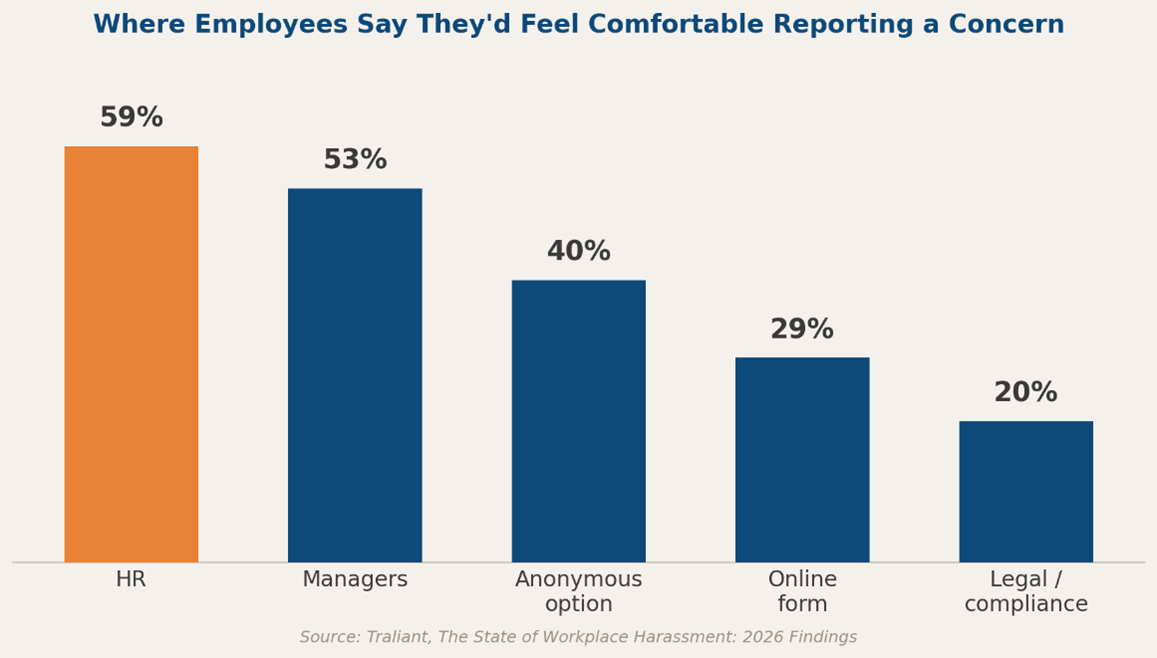
HR is still one of the places employees are most likely to turn when they have a workplace concern. Traliant’s 2026 workplace harassment research found that 59% of employees would feel comfortable reporting a concern to HR, ahead of managers, anonymous reporting options, online forms, and legal or compliance channels.
The answer is not to care less or dismiss concerns as “soft.” Small issues can become bigger ones when they are ignored repeatedly. The key is knowing how to separate a one-off concern from a pattern, a misunderstanding from a policy issue, or a coaching opportunity from something that requires a more formal response.
Calibrate the Response Instead of Maxing It Out
Before launching into a full investigation, HR leaders should pause and ask:
• Does this concern require a formal investigation, or would a conversation be more appropriate?
• Is this a one-time issue, or are similar concerns showing up around the same person, team, or manager?
• What does company policy require in this situation?
• Is there a clear documentation process in place?
• Does the employee understand what will happen next and when they can expect an update?
One isolated comment may call for a conversation and coaching. Three similar concerns from three different employees may point to a pattern that needs a closer look.
Turn Good Instincts Into a Clear Process
The strongest HR teams do not rely on gut instinct alone. They have a framework in place before a concern ever reaches their desk.
That means clear guidelines, consistent documentation practices, and manager training that helps leaders know when to address an issue directly, when to involve HR, and when a situation needs to move into a more formal process.
Coastal Payroll’s HR Elite advisors help employers build the structure behind those decisions, from clear documentation practices and well-defined policies to manager training that creates consistency across teams. Whether it is navigating a gray-area situation, deciding how to respond, or determining the right level of action, our team helps you move forward with clarity and confidence.
Reach out to start the conversation.


.png)