
Turnover is easy to treat like a number. A percentage on a report. A line item in a leadership meeting. A problem to solve after someone gives notice.
When employees leave, the bigger question is not just “How many people did we lose?” It is “What is this telling us about the employee experience, and what can we do before more people follow?”
That question matters because turnover is expensive, disruptive, and often more preventable than employers realize. Gallup found that 42% of employees who voluntarily left their organization said their manager or organization could have done something to prevent them from leaving.
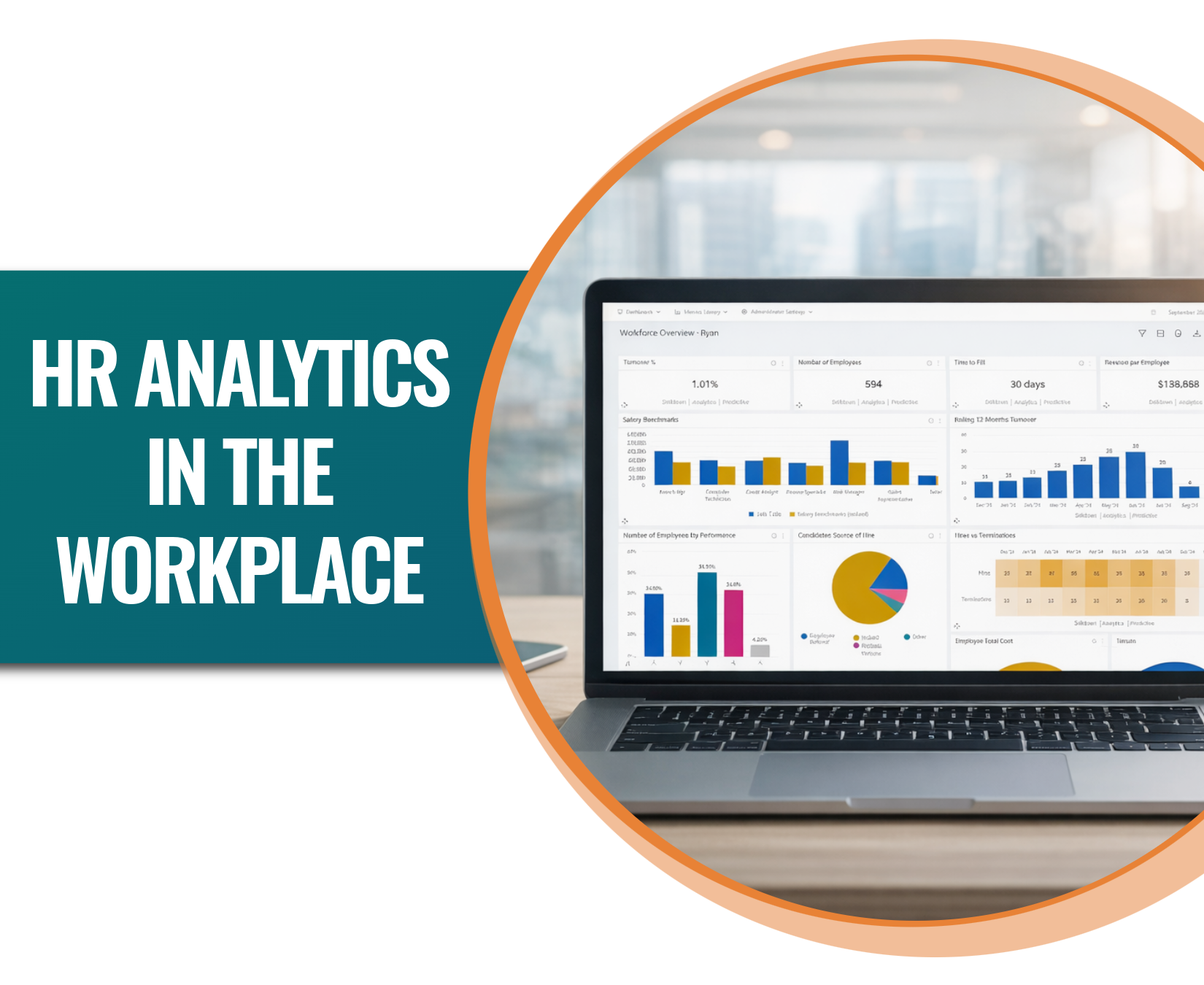
Turnover data can help employers spot patterns, understand risk, and respond with greater precision. Rather than relying on assumptions or broad engagement efforts, employers can use data-driven insights to better understand what is happening within their workforce and where meaningful improvements may be needed.
Turnover Is Not Just an HR Problem
When someone leaves, the impact does not stay neatly inside HR.
Managers lose time interviewing and retraining. Teams absorb extra work. Customers may feel the difference. Productivity takes a hit. And morale can start to shift, especially when employees see good people walking out the door.
Gallup estimates that replacing employees can cost around 40% of salary for frontline roles, 80% for technical professionals, and up to 200% for leaders and managers.
That means turnover is not just a people issue. It is a business issue.
And while some turnover is healthy, repeated turnover in the same roles, departments, locations, or manager groups is usually telling a bigger story.
If Employees Leave Early, Look at Hiring and Onboarding
If employees are leaving within the first 30, 60, or 90 days, the issue may start before their first day.
.png)
Early turnover can point to a mismatch between what was promised and what the job actually feels like. It can also signal gaps in onboarding, unclear expectations, weak manager involvement, or a hiring process that is moving too fast without enough alignment.
This is where employers should ask:
Are job descriptions accurate?
Are candidates getting a realistic picture of the role?
Do new hires know what success looks like?
Are managers actively involved in onboarding?
Do employees feel connected early, or are they left to figure it out?
If Turnover Clusters Around Certain Managers, Look at Leadership Support
If one department keeps losing people, the work itself may not be the only issue.
The manager experience matters.
.png)
Employees may leave because they feel unsupported, underdeveloped, unheard, overmanaged, or disconnected from their future at the company. And many employees do not raise those concerns before they leave.
Gallup found that 36% of voluntary leavers did not talk to anyone before deciding to resign. Among those whose manager or leader did engage with them in the three months before they left, only 29% discussed their career future, 28% discussed job satisfaction, and just 17% discussed what it would take for them to stay.
That is a major miss.
Managers do not need to have all the answers, but they do need to have the right conversations early. If turnover data shows a manager-specific pattern, it may be time to provide coaching, clarify expectations, improve feedback habits, and bring HR in before the situation becomes a revolving door.
If High Performers Are Leaving, Look at Growth and Recognition
Losing employees is one thing. Losing your best employees is another.
High performer turnover often points to a lack of growth, recognition, career pathing, or meaningful challenge. These employees may not be leaving because they dislike the company. They may be leaving because they do not see a future there.
If high performers are leaving, employers should look at:
• Promotion and development opportunities
• Manager feedback and recognition habits
• Compensation competitiveness
• Career path clarity
• Workload and burnout risk
• Internal mobility
If Turnover Is Happening in Specific Roles, Look at Workload, Pay, and Job Design
Sometimes turnover is concentrated in a specific role rather than spread across the organization.
When the same position experiences repeated turnover, take a closer look at the employee experience.
Common factors include:
• Compensation that may not align with market rates
• Increased workloads without additional support
• Scheduling demands that are difficult to sustain
• Job responsibilities that have evolved without updates to resources, structure, or expectations
SHRM recommends looking at retention and turnover by more targeted groups, such as department, role, location, or manager population, instead of relying only on companywide totals.
How to Respond Once You See the Pattern
The right response depends on what the data is telling you.
If new hires are leaving early, revisit the hiring process, job previews, onboarding experience, and manager check-ins.
If turnover is manager-specific, invest in manager training, coaching, documentation habits, and HR support.
If high performers are leaving, strengthen career paths, recognition, compensation reviews, and development conversations.
If turnover is concentrated in certain roles, look at workload, scheduling, pay, staffing levels, and role expectations.
If exit interviews repeat the same themes, build an action plan and communicate what is changing.
The biggest mistake is treating turnover as something that happens to the business instead of something the business can learn from.
Gallup’s research is clear: many employees decide to leave quickly, and many leave without ever having a conversation about what would make them stay.
That means employers cannot wait for employees to raise their hand. Leaders need better visibility, better conversations, and better follow-through.
Make Your Turnover Data Work Harder
Managing people data is hard, and it is only getting harder.
With the right tools and support, employers can move from reacting to resignations to identifying patterns earlier and making smarter workforce decisions.
Coastal Payroll helps employers bring payroll, HR, and people data together so leaders can see what is happening across the employee experience. With Predictive People Analytics, employers can gain clearer visibility into workforce trends, compensation patterns, retention risks, and employee movement.
And when the data points to a bigger people issue, HR Elite can help employers turn those insights into action with guidance around manager support, employee relations, HR strategy, and compliance.
Reach out to us to start the conversation.
.png)