Strong managers are one of the biggest drivers of a strong employee experience.
They set the tone for communication, accountability, performance, trust, and team morale. They are also often the first person employees turn to when priorities change, expectations feel unclear, or workplace challenges come up.
According to Gallup, managers account for 70% of the variance in team engagement, making the manager role one of the most influential parts of the employee experience. Gallup also notes that managers can “make or break” that experience.
The challenge is that many managers are promoted because they were strong individual contributors, not because they have been prepared to lead people. They may understand the work, but managing people requires a different skill set.
For HR teams, building better managers is not just leadership development. It is a strategy for improving retention, performance, communication, and culture.
WHY MANAGER DEVELOPMENT MATTERS
A business can have strong values, competitive benefits, and well-written policies, but if the daily management experience feels unclear or inconsistent, employees feel it.
They feel it when feedback only happens once a year.
They feel it when expectations shift without context.
They feel it when concerns are avoided.
They feel it when communication is rushed or recognition is missing.
This matters because employee experience and retention are closely connected. SHRM research found that employees with a positive employee experience are 68% less likely to consider leaving their jobs.
Better managers can help improve engagement, retention, performance consistency, communication, employee development, and workplace trust. When managers are prepared and supported, HR spends less time reacting to preventable issues and more time helping the business move forward.
WHERE MANAGERS NEED MORE SUPPORT
One of the biggest gaps is clarity. Managers need to know what good management looks like inside the organization. That includes expectations around communication, feedback, documentation, performance conversations, employee development, and when to involve HR.
Another gap is confidence. Many managers are comfortable assigning work and tracking deadlines, but less comfortable handling sensitive conversations around performance, attendance, conflict, or employee concerns.
There is also a growing need for better performance management tools. Managers cannot coach, evaluate, or develop employees effectively if they are relying on scattered notes, outdated processes, or once-a-year conversations.
WHAT BETTER MANAGERS DO DIFFERENTLY
.png)
Better managers build trust through consistent habits.
Strong managers should:
- Set clear expectations: Employees should know what success looks like, what priorities matter most, and how their work will be measured.
- Communicate and coach consistently: Regular check-ins, real-time feedback, and coaching conversations help employees stay aligned and improve before small issues become bigger ones.
- Recognize performance and document concerns: Managers should reinforce strong work while also documenting important conversations to support consistency and accountability.
- Use data and know when to involve HR: Performance trends, goals, feedback, and employee history can make conversations more objective, while HR can help guide sensitive situations, documentation, and next steps.
The Business Case for Investing Here
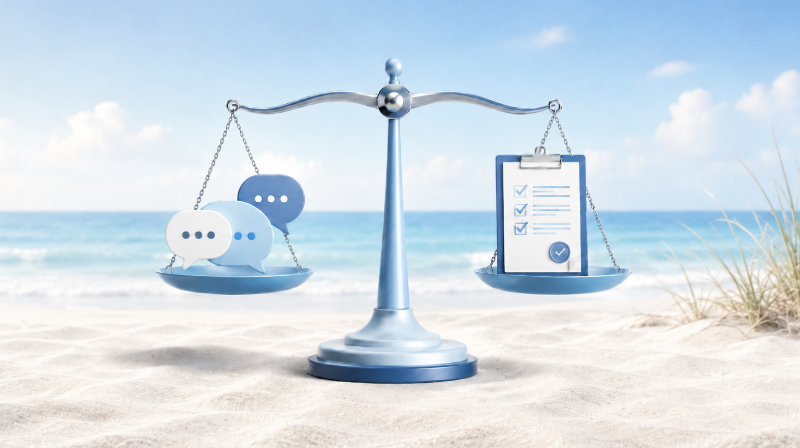
Leadership development is often categorized as a people investment. But it's more accurate to think of it as an operational one.
The way managers lead directly affects whether people stay or leave, whether work gets done efficiently or slowly, and whether culture holds people together or quietly pushes them away. Turnover, disengagement, and missed execution targets are downstream effects of weak management — and their costs are already showing up in the business whether they're labeled that way or not.
The goal isn't to produce a handful of exceptional leaders. It's to make strong leadership the organizational norm.
If you're working through any of this whether it's building out your manager development approach, connecting your people strategy to business outcomes, or just trying to figure out where to start, let's talk.
Through HR Elite, we help organizations build the systems, habits, and structure to make strong management the standard across your business.

.png)